-
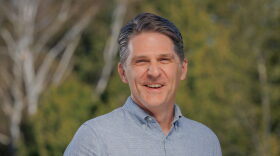 The Great Lakes hold one-fifth of the world's fresh surface water, but they're facing growing pressures from invasive species, pollution, aging infrastructure and new demands for water. Rebekah Warren and Lisa Wozniak took a closer look at the challenges facing our Great Lakes with Joel Brammeier, President and CEO of the Alliance for the Great Lakes, on a fundraising edition of "1st Friday Focus on the Environment."
 -
 The spotted lanternfly is considered an invasive species in Washtenaw County, due to the fact that it feeds on trees, leaving serious damage in its wake. Right now, the county is taking action to protect local forests. Rebekah Warren shared more on these efforts with Matt DeJonge, Community Forester for the Washtenaw County Conservation District.
 -
 It might take more time before Michigan’s governor chooses whether to opt into a federal education tax program. Colin Jackson has more.
 -
 The Great Lakes are under attack with invasive species and other dangers. A major state fisherman’s association is honoring Ann Arbor Congresswoman Debbie Dingell for her work to protect the industry. WEMU’s Kevin Meerschaert reports.
 -
 Federal funding has been released to build part of a barrier system to keep invasive carp from reaching Lake Michigan from the Illinois River. As Rick Pluta reports, this is after the Trump administration moved the management of the project from the U.S. Army Corps of Engineers Rock Island-Illinois District to the Detroit office.
 -
 A source close to Illinois Governor JB Pritzker says the state is ready to take the Trump administration to court rather than allow it to move management of building a new invasive carp barrier to Michigan. We have more from Rick Pluta.
 -
 Governor Gretchen Whitmer paid a visit Tuesday to the White House to meet with President Donald Trump. Among other things, the President agreed to deliver more federal funds to help northern Michigan recover from ice storms that pummeled the region last spring. We have more from Rick Pluta.
 -
 This winter in Washtenaw County has been notably colder and snowier than most of the past decade. It has created inconveniences and hardships. But there may be some benefits to all of the snow and cold. Snowier winters play an important ecological role beyond what we experience at the surface. WEMU's David Fair was joined by U-M Biological Station researcher, Dr. Olivia Vought to explore this winter’s environmental benefits and how it all works.
 -
 Invasive plants are not just a backyard nuisance—they’re one of the biggest drivers of long-term habitat loss in the Huron River Watershed. Matthaei Botanical Gardens & Nichols Arboretum in Ann Arbor have become a local model for tackling the problem through coordinated stewardship and public engagement. WEMU's David Fair found out what they’re doing with Natural Areas Specialist, Steven Parrish.
 -
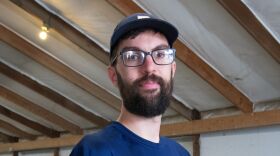 When the trees start changing colors, it’s a time of year where we create time to stop and take in the beauty of nature. It’s also a time where we can provide the care to the trees to ensure their health in the seasons to come. There are a number of diseases here and more creeping in that pose a threat to our trees. WEMU's David Fair discussed the challenges and what to do about it with Washtenaw County Conservation District community forester, Matt DeJonge.

© 2026 WEMU

Serving Ypsilanti, Ann Arbor and Washtenaw County, MI
Play Live Radio
Next Up:
0:00
0:00
Available On Air Stations


